A Very Comfortable Kingdom
A Sunday morning, a daughter asks for shoes by text, and a father pays without leaving the conversation. A kingdom so comfortable you forget it has a door.
 Abdulaziz Almaqbali
Setting: December 2017, 7:00 a.m., San Jose.
As he does every Sunday morning, Andy browses the latest news and his saved articles in Pocket, sipping the green tea he usually brings back from China, his iPad Pro in hand. Andy is passionate about technology and a power user of Apple products, so it is no surprise that his home is full of Apple devices, and that his three children are growing up with them.
Andy sets his cup down on the table so he can use both hands to pick a few photos and send them to his email, when an iMessage from Sara, his eleven-year-old daughter, catches him by surprise. It holds a link to a pair of Nike shoes priced at $90, followed by two emoji: a dollar sign and a pleading face.
Andy smiles; he gets the point. Without leaving the Messages app, he sends his daughter $90 with Apple Pay and adds a heart. Sara's happy emoji come pouring back: a heart, flowers, a little dance. It was a joyful start to Andy's day, so he took a screenshot and saved it among his memories in the Day One app.
It has been a long road for Apple to come this close to that kind of human depth, and to build a kingdom of its own: a kingdom that promises its products will all play together for a better life, as its decision makers see it. This is not marketing talk, nor blind admiration for Apple, though I confess to a little of that. But to be strong enough to put people ahead of the temptations of technological fantasy, and to ignore the pressure of the crowd in order to say "I know what I am doing," deserves respect.
I don't mean that Apple always knows exactly what it is doing. It has made plenty of blunders, and for a while it forgot the audience it started with: Mac users. Under Tim Cook we lost some of Steve's intuition and precision. Yet amid all the noise of technological change, I find that Apple still keeps its soul, and comes a little closer to itself each time, or more precisely, closer to the vision of its spiritual founder, Steve Jobs.
Dear Steve Jobs, Your Vision Is Closer Than Ever!
Steve Jobs dreamed of a kingdom where Apple controls the user's experience of its products and services from beginning to end, what we call a "closed system." In it, systems, services, and devices blend so seamlessly that moving between them feels like using a single device. Want to listen to music? You'll pick an iPod, an iPhone, an iMac, or an Apple TV depending on where you are, and you'll find your library and favorite playlists on every one of them. The same goes for notes, messages, calls, your photo library, and much more.
Bill Gates rejected the idea, and so did many leaders in technology and business. They saw it as a business model that limits the reach of systems and products, and one that could never be as profitable as Microsoft's approach of licensing Windows to every manufacturer. But Gates later acknowledged that Jobs had succeeded in realizing his vision.
Steve is gone, but his vision did not leave with him; it has grown deeper and stronger. Apple's products have come closer together, technically and visually, than ever before. I am writing this post on my Mac and my phone without any friction, shooting photos on my iPhone and then editing them with advanced tools in the Photos app on my iMac. It may come to feel ordinary over time, but behind it lies an extraordinary effort to make the experience comfortable and rich.
Steve Wozniak, Apple's co-founder, known for his good character and his love of people, was never comfortable with this model; it betrays the free-spirited hacker culture Apple was born from. He said it plainly in 2015: "I don't like being trapped. I like being independent" (Cult of Mac). I share some of that worry. Over time, a closed model breeds followers who cannot break away from its products. That is no cause for panic, but it does call for awareness of what is happening inside this kingdom that grows larger every day. (2026 update)
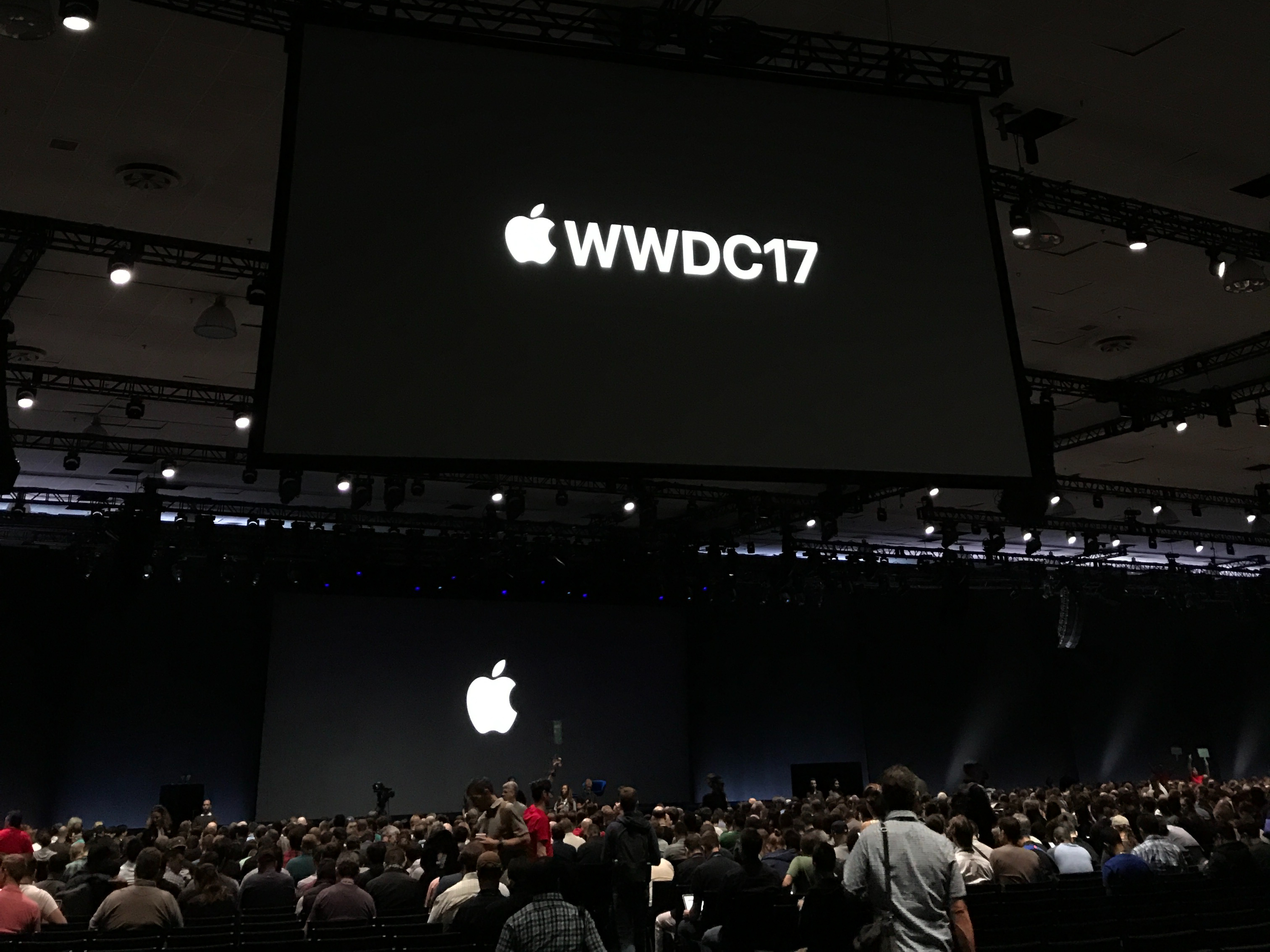
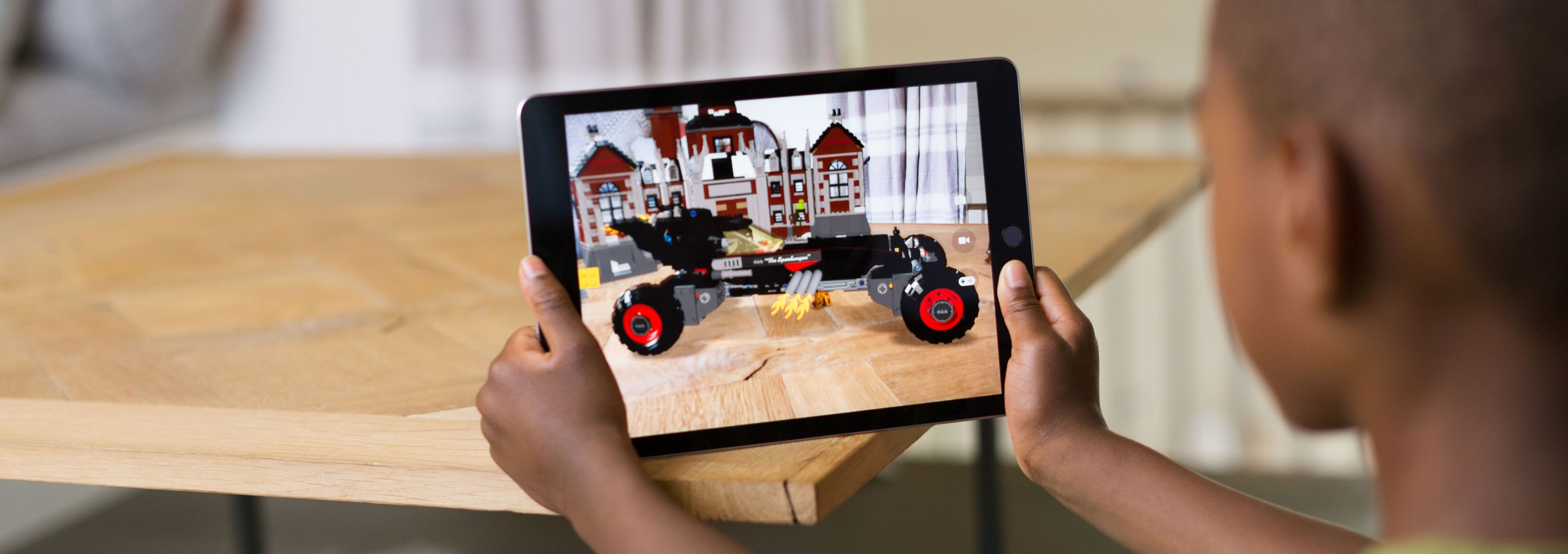
At Apple's Worldwide Developers Conference in 2017, that closeness was clearer than ever. Apple announced iMessage syncing through iCloud, so your messages are not lost when you say goodbye to your phone. It improved the Photos app until editing an iPhone photo on an iMac became something you no longer think about. It brought augmented reality (ARKit) to millions of devices at once, and gave developers machine learning (Core ML) that runs on the device itself to protect privacy. Each of these features looks small, but together they play a single tune: the more Apple devices you own, the easier your life becomes, and the harder it is to leave.
Apple will keep building its kingdom of systems, services, and devices, starting with those attached to our bodies, moving through the homes we live in and the offices where we spend most of our days, all the way to our cars and the vast data about our lives in its cloud servers. All of this will create a remarkable experience that makes our lives easier and more productive, but one worry will remain about our private data: what "if" this kingdom is breached one day?
So my advice to you: enjoy the integration of Apple's devices and systems, because it truly creates a rich experience, but "stay aware." Don't put all your data in one basket, and use apps and services that also work on other platforms, such as Dropbox and Evernote.
2026 Update: What Became of the Kingdom?
I wrote Andy's story in July 2017, a few weeks after returning from San Jose, where I was in the audience at Apple's Worldwide Developers Conference. There, Apple announced that sending money would soon be possible from inside Messages, so I wrote about what a family's morning might look like once the service reached people. On December 5, 2017, Apple launched Apple Pay Cash in the United States, and Andy's morning became something millions of people actually lived (MacRumors). It was not a prophecy, then, but testimony from the hall.

But the other side of the story came true as well. In March 2024, the European Union's Digital Markets Act forced Apple to allow alternative app stores in Europe. That same month, the U.S. Department of Justice, joined by sixteen states and the District of Columbia, sued Apple for monopolizing the smartphone market (CNN). Strikingly, the lawsuit named exactly what Andy lived through in a single morning: messaging that makes switching to another phone awkward, a watch that loses much of its capability without an iPhone, and a digital wallet no one but Apple can enter. In June 2025, the court denied Apple's motion to dismiss, and the case continues (Wikipedia).
Today, as I work on brand experiences, I see in Andy's morning a question that goes beyond Apple. Integration in itself is not evil; it is the very heart of what I call Integrated Brand Experience: a brand that speaks with one voice, whose parts work together like a single living being. But integration has two faces. One serves you, gathering your needs into one easy experience, which is what I call a synergic satisfier in "Need or Want? The Wrong Question." The other holds you captive, satisfying your need for comfort while smothering your need for freedom.
The test is simple, and I hope every brand team asks itself honestly: if leaving our ecosystem became easy tomorrow, how many of our customers would stay? A brand whose customers stay because they love staying has nothing to fear from that question. A brand whose customers stay because leaving hurts has built a pen, however comfortable it may be.
My old advice still holds, but today I address it to those who build brands more than to those who use them. In other words: let people stay with you because they truly want you, not because they have no other choice.